


The Dhaulagiri Circuit Trek is one of Nepal’s most demanding and rewarding classic expeditions, taking you far off the usual tourist trail into truly wild mountain country. West of the famous Annapurna range, the route winds its way to the base of the world’s seventh-highest peak, Mount Dhaulagiri (8,167 m), circling its massive slopes and glaciers.
This is a serious trek, best suited to experienced multi-day hikers with strong fitness and previous time at altitude. Facilities are simple to basic, and in many sections you rely on camping support rather than lodges. In return, you gain long, quiet days on the trail, powerful Himalayan scenery, and a deep sense of adventure that few other routes can match.

From the banks of the Kali Gandaki and Myagdi Khola rivers, you gradually leave the lowland villages behind and enter a high mountain world of snow slopes, creaking glaciers, and rocky lateral moraines. As you gain height, the full Dhaulagiri massif rises above you, with its towering ice walls and sweeping ridges.
Along the circuit, you enjoy superb, unobstructed views of many 7,000 m and 8,000 m giants, including Annapurna I, Annapurna South, Gangapurna, and neighboring peaks. The scenery is vast and dramatic, and you spend days immersed in these vistas with very few other trekkers around.

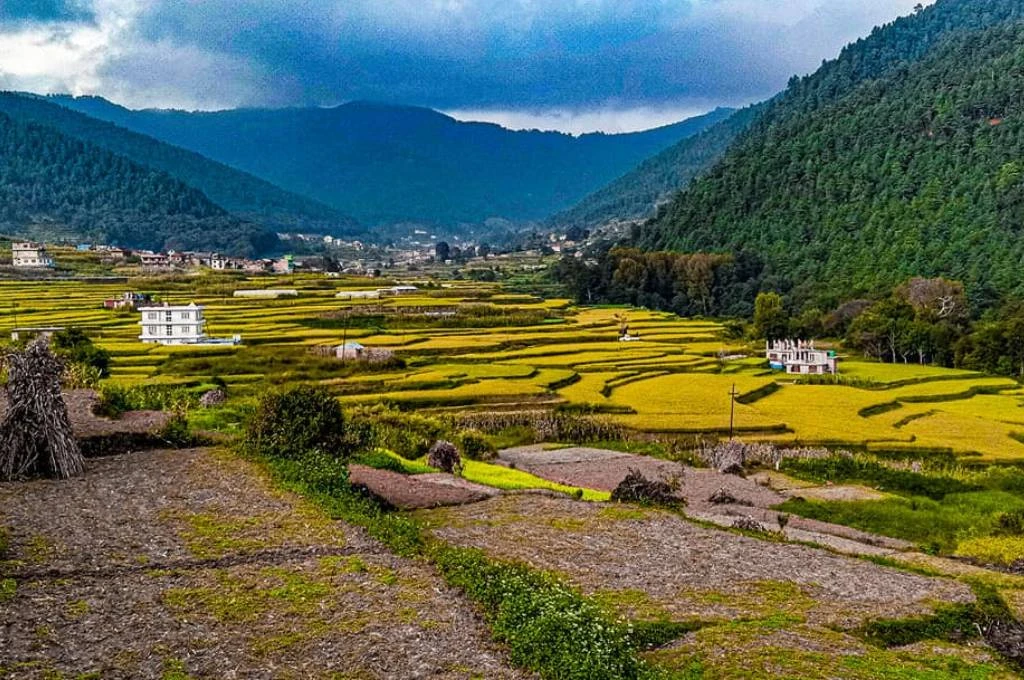
Your journey begins with a scenic drive from Kathmandu to Beni, the gateway to the Dhaulagiri region. From Beni, you follow the Myagdi Khola upstream to Babiyachaur and onward to Darbang, walking through terraced hillsides, dense forests, and traditional mid-hill settlements.
As you move higher, you pass through remote Magar villages, where you can experience local hospitality and gain insight into daily life in this lesser-visited region. The route then leads to a series of high mountain camps: Italian Base Camp, Dhaulagiri Base Camp, and Japanese Base Camp. From Dhaulagiri Base Camp, you enjoy a spectacular view of a vast icefall tumbling down between Dhaulagiri and Tukuche Peak, a highlight of the entire trek.

Beyond Dhaulagiri Base Camp, you climb steadily over glaciated terrain to cross the Dhampus Pass and Thapa Pass, reaching the aptly named Hidden Valley tucked behind the Dhaulagiri range. This high, secluded basin feels remote and otherworldly, especially under clear night skies full of stars.
From Hidden Valley, the trail descends toward the Kali Gandaki corridor, passing through Marpha – the charming “apple capital” of Nepal – before reaching Jomsom. Along the way, you walk above the Kali Gandaki Gorge, recognized as one of the deepest river gorges in the world, carved between the Dhaulagiri and Annapurna massifs. This combination of technical glacier travel, high passes, and cultural villages makes the circuit ideal if you are seeking a challenging, more expedition-style trek.

The Dhaulagiri Circuit involves long, demanding walking days and rapid changes in altitude, so you should be prepared for the possibility of altitude-related symptoms such as headache, shortness of breath, or light-headedness. With a sensible itinerary, proper acclimatization, and good guidance, most trekkers manage these challenges safely, but you need to respect the altitude and listen to your body.
Because sections of the route cross glaciers and remote high passes, it is strongly recommended that you trek with an experienced local guide and support team. They will help with navigation, safety, camp logistics, and communication in local villages so that you can focus on the experience. Take time to plan your gear carefully, including warm clothing, sturdy boots, and reliable camping equipment if your trek uses tents.
For this trek you need an Annapurna Conservation Area Permit (ACAP) and a Trekkers’ Information Management System (TIMS) card. There are no restricted area permits required for the Dhaulagiri Circuit itself, but regulations can change, so always confirm the latest requirements before you travel.
Max Elevation: 5,360 m
Duration: 15–18 days on trek
Average Walking Time: 7–8 hours per day
Trek Grade: Very strenuous, remote, and expedition-style
Typical Price Range: US $2,800–$3,500 (depending on group size and services)
Best Seasons: April–May and September–October
Accommodation: Combination of hotels in towns, basic teahouses, and camping in remote sections
Restricted Area Permits: Not required for the main Dhaulagiri Circuit route
Required Permits: Annapurna Conservation Area Permit (ACAP) and TIMS card







Leave a Reply