

Disclosure: This post contains affiliate links. If you make a purchase or book a service through these links, we may earn a small commission at no extra cost to you. We only recommend gear, tours, and services we genuinely believe can help you plan a safe and memorable Annapurna Base Camp trek.

Annapurna Base Camp Trek (ABC Trek) – Complete Guide
The Annapurna Base Camp trek (also known as the ABC trek) is one of the most iconic multi-day hikes in the world and a true classic of trekking in Nepal. Winding through terraced villages, lush rhododendron forests, and towering glacial valleys before finally reaching the natural amphitheater of the Annapurna Sanctuary, this trek offers an unbeatable mix of culture, scenery, and achievable challenge.
Situated in the heart of the Annapurna region, Annapurna Base Camp sits at 4,130 m (13,550 ft) and is surrounded by some of the highest peaks on Earth, including Annapurna I (8,091 m), Machapuchare (Fishtail), Hiunchuli, and Gangapurna. Unlike remote camping expeditions, the ABC trek follows a well-established network of teahouses, making it accessible to moderately fit hikers, solo travelers, and first-time visitors to Nepal alike.
In this in-depth guide, you’ll find everything you need to plan your Annapurna Base Camp trek: a detailed day-by-day itinerary, permit and cost breakdowns, gear and packing tips with recommended products, acclimatization advice, information about flora and wildlife, where to stay, how to get there, and answers to the most frequently asked questions.
Table of Contents
- Quick Facts: Annapurna Base Camp Trek
- Why Trek to Annapurna Base Camp?
- Complete Day-by-Day Annapurna Base Camp Itinerary
- Permits & Costs for the ABC Trek
- Gear & Packing List for Annapurna Base Camp Trek
- Acclimatization & Altitude Tips (4,130 m)
- Flora & Wildlife in the Annapurna Region
- Where to Stay on the ABC Trek
- How to Get to the Annapurna Base Camp Trailhead
- More Treks & Resources for Trekking in Nepal
- Annapurna Base Camp Trek FAQ
Quick Facts: Annapurna Base Camp Trek
Route: Pokhara → Ghandruk → Chomrong → Sinuwa → Bamboo → Himalaya → Deurali → Machapuchare Base Camp (MBC) → Annapurna Base Camp (ABC) → return via same trail or variant
Maximum Elevation: 4,130 m / 13,550 ft (Annapurna Base Camp)
Typical Duration: 7–12 days (depending on starting point, pace, and side trips)
Difficulty: Moderate (lots of stone steps and some long uphill sections; no technical climbing)
Best Season: March–May (spring) & October–December (autumn/early winter)
Approximate Cost: USD $600 – $1,000 per person (excluding international flights)
Average Walking Time: 4–7 hours per day
Accommodation: Local teahouses with basic rooms and shared facilities
Permits Required: Annapurna Conservation Area Permit (ACAP) & TIMS Card
Why Do the Annapurna Base Camp Trek?

The Annapurna Base Camp trek is often described as the perfect blend of cultural immersion and high-mountain scenery. Starting from the lakeside city of Pokhara, the trail takes you through traditional Gurung and Magar villages, terraced rice fields, and dense forests before entering the dramatic glacial bowl known as the Annapurna Sanctuary. For many hikers, watching the sunrise illuminate Annapurna I and Machapuchare from ABC is a life-changing experience.
Compared with more remote expeditions, the ABC trek offers a relatively comfortable style of trekking in Nepal. You sleep in cozy teahouses, eat hot meals, and have frequent opportunities to rest and refuel. While there are plenty of steep stone staircases and some long days, most trekkers with reasonable fitness and good preparation can complete the route safely.
The trek also passes through the Annapurna Conservation Area, home to an impressive variety of flora and fauna, including dense rhododendron forests, Himalayan thar, and even elusive species like the snow leopard and red panda. Spring brings explosions of color as the rhododendrons bloom, while autumn offers the clearest mountain views. Whether you are a seasoned hiker or planning your first big trek in the Annapurna region, Annapurna Base Camp is a rewarding choice.

Complete Day-by-Day Annapurna Base Camp Trek Itinerary
There are several variations of the Annapurna Base Camp itinerary, but the classic route starts from Pokhara and follows a well-marked trail through Ghandruk, Chomrong, Sinuwa, Bamboo, Himalaya, Deurali, and Machapuchare Base Camp (MBC) before reaching ABC. The itinerary below assumes 10 days of trekking, which balances acclimatization, comfort, and time on the trail. Fitter trekkers can compress it into 7–8 days, while those who prefer a slower pace can extend it to 11–12 days.
Day 1: Pokhara (820 m) to Ghandruk (1,940 m)
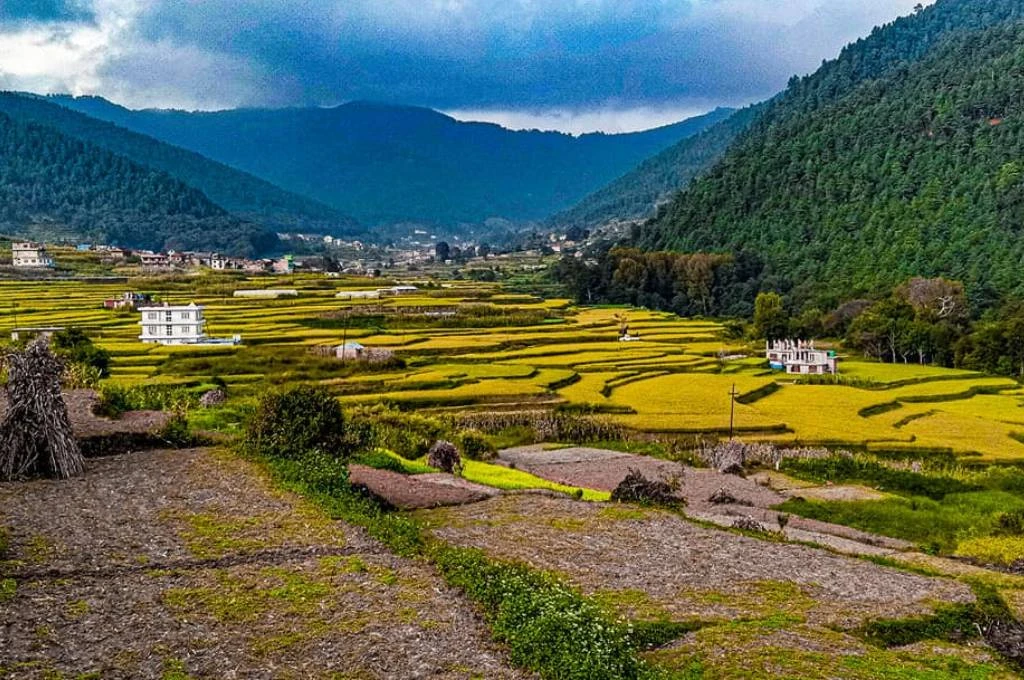
Most trekkers begin the Annapurna Base Camp trek in Pokhara, a laid-back lakeside city and the main gateway to the Annapurna region. From Pokhara, you’ll take a jeep or bus (2–3 hours) to Nayapul or Kimche, where your hike starts. The trail gradually climbs past terraced fields and small villages to reach the large Gurung village of Ghandruk, famous for its views of Annapurna South and Machapuchare. Spend the evening exploring the narrow stone streets and enjoying your first night in a traditional teahouse.
Day 2: Ghandruk to Chomrong (2,170 m)
From Ghandruk, the trail traverses and then descends toward the Kimrong Khola before a steep climb up to the village of Chomrong, the last major settlement on the ABC trek. Chomrong is beautifully perched on a hillside with sweeping views of Annapurna South and Hiunchuli. Expect a mix of stone staircases and undulating terrain. This is also the last place to find a wider choice of bakeries and shops before heading deeper into the valley.
Day 3: Chomrong to Sinuwa (2,360 m)
The day begins with a long descent down stone steps to the Chomrong Khola, followed by a steady climb through forest to Upper Sinuwa. Though the distance is not huge, the elevation change and staircases make it feel like a solid hiking day. Sinuwa offers a handful of teahouses and beautiful views back down the valley. You are now entering denser forest, with the air growing cooler and fresher.
Day 4: Sinuwa to Bamboo to Dovan/Himalaya (2,600–2,920 m)
Leaving Sinuwa, the trail continues through lush forest, often shrouded in mist in the mornings. You’ll descend slightly to Bamboo, a small cluster of lodges surrounded by thick bamboo groves, before gradually climbing to Dovan and then Himalaya. Depending on your pace and room availability, you can overnight in either Dovan or Himalaya. This section offers your first real sense of being in a deep mountain valley carved by glaciers and rivers.
Day 5: Dovan/Himalaya to Deurali (3,200 m)
Today you continue following the Modi Khola upstream, passing waterfalls, overhanging cliffs, and occasional avalanche debris fields (guides will advise if any sections are unsafe). The trees thin out as you approach Deurali, and the trail feels more exposed and alpine. Because you are now walking above 3,000 m, it’s wise to keep an easy pace, drink plenty of water, and listen to your body for any signs of altitude sickness.
Day 6: Deurali to Machapuchare Base Camp (3,700 m) to Annapurna Base Camp (4,130 m)
This is the most spectacular day of the Annapurna Base Camp trek. From Deurali, you climb gradually along the valley to Machapuchare Base Camp (MBC), where the landscape opens up and the peaks loom dramatically overhead. Many trekkers stop at MBC for lunch before continuing the 1.5–2.5 hour ascent to Annapurna Base Camp (ABC). As you walk into the natural amphitheater of the Annapurna Sanctuary, you are surrounded by towering 7,000 m and 8,000 m peaks on all sides.
Most hikers arrive at ABC in the afternoon and stay overnight to enjoy sunset and sunrise from the base camp. The views of Annapurna I, Annapurna South, Hiunchuli, and Machapuchare are unforgettable, and this is the emotional high point of the trek.
Day 7: Annapurna Base Camp to Bamboo (2,310 m)
After sunrise and a last look around Annapurna Base Camp, you retrace your steps down past MBC, Deurali, and Himalaya toward Bamboo. The day involves a long descent, which can be taxing on the knees. Trekking poles are very helpful here. Many trekkers report this as one of the more tiring days due to the sustained downhill and distance covered, but the oxygen-rich air and warmer temperatures provide a welcome boost.
Day 8: Bamboo to Chomrong (2,170 m)
From Bamboo, you retrace the forest trail back to Sinuwa and then make the infamous climb up the stone steps back to Chomrong. This section is a good test of leg strength on the return journey. Spend your final night in the high villages enjoying hearty dal bhat, apple pie, and mountain views before heading back toward civilization.
Day 9: Chomrong to Nayapul/Kimche, drive to Pokhara
The final trekking day follows the familiar trail back through terraced farmland and small villages to the roadhead at Kimche or Nayapul. From here, jeeps and local buses transport you back to Pokhara in 2–3 hours. After days on the trail, a hot shower, clean clothes, and a good meal by Phewa Lake are the perfect way to celebrate the end of your Annapurna Base Camp adventure.
If you have extra days, you can customize this Annapurna Base Camp trek itinerary with side trips or by combining it with the Poon Hill trek for additional sunrise viewpoints over the Annapurna and Dhaulagiri ranges.
Permits & Costs for the Annapurna Base Camp Trek
To legally trek to Annapurna Base Camp, you must obtain the correct permits and budget for daily expenses such as accommodation, food, and transport. Booking through a reputable trekking agency can simplify the process, but independent trekkers can also organize everything themselves.
Required Permits for the ABC Trek
- Annapurna Conservation Area Permit (ACAP): This permit grants access to the Annapurna Conservation Area. It is typically available in Kathmandu and Pokhara at official tourism offices. You will need a passport, passport-sized photos, and the applicable fee (usually around USD $30, payable in Nepalese rupees).
- TIMS Card (Trekkers’ Information Management System): The TIMS card registers your trek and helps authorities track trekkers for safety and rescue purposes. The cost is usually around USD $10–20 depending on whether you are in a group or trekking independently.
Permit regulations and fees can change, so check the latest information with a local trekking agency in Pokhara or Kathmandu before starting your Annapurna Base Camp trek.
Typical Annapurna Base Camp Trek Costs
For most trekkers, a realistic budget for the ABC trek is between USD $600 and $1,000 per person, excluding international flights. Your final cost will depend on your level of comfort, whether you hire a guide or porter, and how many days you spend on the trail.
- Permits (ACAP + TIMS): ~USD $40–$60
- Accommodation in teahouses: USD $5–$15 per night (often cheaper if you eat all meals at the same lodge)
- Meals: USD $15–$30 per day (prices increase with altitude; dal bhat refills help keep you full)
- Snacks, tea, and drinking water: USD $5–$15 per day (bring a bottle and water purification to reduce costs)
- Guide: USD $25–$35 per day (including food and accommodation)
- Porter: USD $20–$30 per day (including food and accommodation) for up to 15–20 kg of gear
- Transport Pokhara – trailhead – Pokhara: USD $20–$60 depending on bus vs. private jeep
- Travel insurance: USD $40–$100 for a typical trip duration, depending on coverage
Booking a guided Annapurna Base Camp trek as a package often bundles permits, accommodation, meals, guide, and porter services into a single price. This can be excellent value if you prefer to have logistics handled for you.
Regardless of how you trek, make sure you have comprehensive travel insurance that covers trekking up to at least 4,500 m and emergency evacuation. Providers like SafetyWing offer flexible plans suitable for adventure travel in Nepal.
Gear & Packing List for the Annapurna Base Camp Trek
Packing smart for your Annapurna Base Camp trek will keep you comfortable in changing weather and help you enjoy the hike without carrying unnecessary weight. Teahouses provide basic beds and blankets, but temperatures can drop well below freezing at Annapurna Base Camp, especially in shoulder seasons. The list below focuses on essentials for a moderate-length ABC trek in spring or autumn.
Core Trekking Gear
- Backpack (35–50 L): Big enough for clothing, layers, and daily essentials. A rain cover is highly recommended.
- Trekking poles: Helpful on endless stone steps and steep descents. Consider lightweight, collapsible poles such as these options on Amazon trekking poles.
- Sleeping bag (rated to -10°C / 14°F): Nights at Annapurna Base Camp can be extremely cold, especially in early spring and late autumn. Bring a quality down or synthetic bag rated to at least -10°C, such as those available here: -10°C trekking sleeping bags.
- Waterproof hiking boots: Sturdy, broken-in boots with good ankle support are crucial for the rocky, often wet trail. Browse suitable models here: waterproof hiking boots.
- Trekking rain jacket: A lightweight, breathable shell keeps you dry in sudden downpours and serves as a windbreaker above tree line. See current options on Amazon trekking rain jackets.
- Daypack (optional): If you hire a porter, you may carry a smaller daypack with water, snacks, and extra layers.
Clothing Layers
- Base layers: Moisture-wicking tops and bottoms (merino wool or synthetic).
- Insulating mid-layer: Fleece or light down jacket.
- Outer shell: Waterproof and windproof jacket (see the trekking rain jacket options above).
- Trekking pants: Quick-dry, preferably with zip-off legs for warm days.
- Thermal leggings: For cold nights and mornings at higher altitudes.
- T-shirts and long-sleeve shirts: Lightweight and breathable.
- Warm hat and buff: For early mornings and windy conditions.
- Gloves: Light liner gloves plus warmer outer gloves in colder seasons.
- Trekking socks: Several pairs of moisture-wicking socks; consider one thicker pair for cold nights.
Water & Health Essentials
- Reusable water bottles or hydration bladder: At least 2 liters total capacity. Single-use plastic bottles are discouraged or banned in parts of the Annapurna region.
- Water purification tablets or filter: To safely drink tap or stream water and reduce plastic waste. Look for reliable brands of water purification tablets and filters (or similar products).
- Personal medication and basic first-aid kit: Painkillers, blister plasters, bandages, and any prescription medications.
- Altitude medication (if advised by your doctor): Some trekkers carry Diamox; always consult a physician before use.
- Hand sanitizer and wet wipes: Useful when facilities are basic.
Other Useful Items
- Headlamp: For early starts, late dinners, and power cuts.
- Power bank: Charging electronics gets more expensive with altitude.
- Sun protection: Sunglasses, sun hat, and high-SPF sunscreen.
- Trekking towel: Quick-drying and compact.
- Lightweight sandals or camp shoes: To give your feet a break after hiking.
- Cash in Nepalese rupees: Teahouses and small shops on the Annapurna Base Camp trek do not accept cards.
Keep your pack as light as possible while staying warm and safe. If you plan to carry a lot of camera gear or extra clothing, hiring a porter is an affordable way to reduce strain and enjoy the ABC trek more comfortably.
Acclimatization & Altitude Tips for 4,130 m
Although the Annapurna Base Camp trek does not reach the extreme heights of some Himalayan expeditions, 4,130 m is still high enough for altitude sickness to be a concern. The good news is that the gradual ascent and multiple overnight stops along the trail give your body time to adjust, as long as you don’t rush.
- Ascend gradually: The classic 7–10 day ABC itinerary provides a natural acclimatization profile. Avoid skipping key overnight stops like Deurali or MBC just to save time.
- Follow the “climb high, sleep low” principle where possible: If you have the energy, short acclimatization walks above your teahouse in the afternoon can help your body adjust.
- Hydrate well: Drink 3–4 liters of fluid per day. Warm tea and soups are great in the cold environment.
- Watch for symptoms of Acute Mountain Sickness (AMS): Common signs include headache, nausea, dizziness, loss of appetite, and difficulty sleeping. Never ignore worsening symptoms.
- Don’t push through severe symptoms: If your condition deteriorates, descend to a lower altitude immediately and seek medical help if available.
- Limit alcohol and smoking: Both can worsen altitude symptoms and dehydration.
- Consult your doctor before the trek: Ask about preventive medication like acetazolamide (Diamox) and ensure you are fit for multi-day trekking in Nepal.
With sensible pacing, good hydration, and awareness of your body, most trekkers complete the Annapurna Base Camp trek without serious altitude problems. Nevertheless, comprehensive travel insurance that covers high-altitude trekking and helicopter evacuation is strongly recommended.
Flora & Wildlife in the Annapurna Region
The Annapurna Conservation Area is Nepal’s first and largest conservation area, and trekking to Annapurna Base Camp offers a chance to experience a rich variety of ecosystems, from subtropical forests to high alpine terrain. Nature lovers will find the ABC trek as rewarding as peak-baggers.
Lower sections of the ABC trek wind through terraced fields, villages, and lush forests of oak, maple, and rhododendron. In spring (March to April), the rhododendron forests burst into bloom, painting the hillsides with shades of red, pink, and white. This is one of the main reasons many trekkers choose spring for their Annapurna Base Camp adventure.
Higher up, near Deurali, MBC, and ABC, vegetation thins and the landscape turns more rugged, with hardy shrubs and alpine grasses clinging to rocky slopes. In these areas, you may spot Himalayan tahr, a wild goat-like animal often seen grazing on steep hillsides, or hear the whistling call of pika and other small mammals.
The Annapurna region is also home to rare and elusive species. Snow leopards roam in the high, remote areas, although sightings on the main Annapurna Base Camp trail are extremely rare. Red pandas, known for their striking reddish fur and bushy tails, inhabit temperate forests, but they are shy and difficult to spot. Birdwatchers can look out for colorful pheasants, including the Himalayan monal (Danphe), Nepal’s national bird.
As you trek, follow Leave No Trace principles: stay on marked paths, avoid disturbing wildlife, and pack out all trash. The health of the Annapurna ecosystem depends on responsible tourism.
Where to Stay on the Annapurna Base Camp Trek
One of the best aspects of the Annapurna Base Camp trek is the network of comfortable, family-run teahouses along the route. These simple lodges provide private or semi-private rooms, communal dining areas, and hot meals, making the ABC trek logistically easier than many wilderness hikes.
- Rooms: Usually twin beds with mattresses and basic bedding. At higher altitudes, rooms are unheated, so a warm sleeping bag is essential.
- Bathrooms: Shared squat or Western toilets. Hot showers are often available for a small extra fee, but may be limited in colder months.
- Food: Standard trekking menus offer dal bhat, noodles, rice dishes, soups, momos, and simple breakfasts. Prices rise gradually with altitude.
- Electricity & Wi-Fi: Available in many teahouses, but expect to pay for charging electronics and internet access, especially above Chomrong.
During peak trekking seasons (March–April and October–November), popular stops like Chomrong, Deurali, MBC, and ABC can fill up. Booking through a guided Annapurna Base Camp trek often ensures your guide reserves rooms in advance. Independent trekkers should arrive early in the afternoon for the best chance of securing a bed.
Before and after your trek, you’ll likely base yourself in Pokhara. The city has a wide range of accommodation, from budget hostels to lakeside boutique hotels. You can compare options and deals here: Pokhara hotels on Booking.com. Staying a couple of nights before your Annapurna Base Camp trek helps you rest from travel and make final preparations.
How to Get to the Annapurna Base Camp Trailhead
Reaching the starting point of the Annapurna Base Camp trek is relatively straightforward, and the journey itself offers scenic views of rural Nepal.
Step 1: Kathmandu to Pokhara
- By air: The fastest option is a short domestic flight from Kathmandu to Pokhara (25–30 minutes). Weather can cause delays, but on clear days the views of the Himalayas are spectacular.
- By bus: Tourist and local buses take 6–8 hours depending on road conditions. Tourist buses are more comfortable and can be booked through hotels or agencies.
Step 2: Pokhara to the ABC Trek Trailhead
From Pokhara, most trekkers drive to Nayapul, Kimche, or another local roadhead to start walking. Options include:
- Local bus or shared jeep: Cheapest but may be crowded and slow. Ideal for budget-conscious trekkers.
- Private jeep: More comfortable and flexible, especially for groups or those with a lot of gear. Travel time is typically 2–3 hours depending on the exact starting point.
Many travelers prefer to book a guided Annapurna Base Camp trek from Pokhara, which includes transfers, permits, guide and porter services, and teahouse bookings. This is an excellent option if it’s your first time trekking in Nepal or if you’re short on planning time.
More Treks & Resources for Trekking in Nepal
The Annapurna Base Camp trek is just one of many incredible trails in the Himalayas. If you have extra time in Nepal or are planning future adventures, consider these routes and resources:
- Everest Base Camp Trek – The legendary journey to the base of the world’s highest mountain, with dramatic views of Everest, Lhotse, and Ama Dablam.
- Mardi Himal Trek – A quieter alternative in the Annapurna region with stunning close-up views of Machapuchare and Mardi Himal.
- Poon Hill Trek – A shorter, easier trek famous for its sunrise panorama over the Annapurna and Dhaulagiri ranges.
- Best Time to Visit Nepal – Learn about weather patterns, trekking seasons, and when to plan your Annapurna Base Camp trek.
- Two Weeks in Nepal – Sample itineraries combining Kathmandu, Pokhara, and classic treks like ABC or Poon Hill.
Annapurna Base Camp Trek FAQ
How hard is the Annapurna Base Camp trek?
The Annapurna Base Camp trek is generally rated as moderate difficulty. There are no technical climbing sections, but you’ll encounter many long flights of stone steps, steep ascents and descents, and days of 4–7 hours of walking. With sensible pacing, a moderate level of fitness, and basic hiking experience, most trekkers are able to complete the ABC trek. Training with regular walks, stair climbing, and cardio for several weeks before your trip will make the experience far more enjoyable.
How many days do I need for the ABC trek?
Most itineraries for the Annapurna Base Camp trek range from 7 to 12 days of actual trekking, depending on your starting point, pace, and side trips. Very fit trekkers sometimes complete a shorter version in about 7 days, but 9–10 days is a comfortable and popular choice, allowing time for acclimatization and rest. If you want to combine ABC with the Poon Hill trek or other side routes, plan for 12–14 days.
What is the best time to do the Annapurna Base Camp trek?
The best time for the Annapurna Base Camp trek is during the main trekking seasons of spring (March–May) and autumn (October–December). In spring, you can expect warmer temperatures and spectacular rhododendron blooms, though clouds and afternoon showers are possible. Autumn offers the clearest skies and most stable weather, with crisp views of the peaks. For more detailed climate information, see our guide to the best time to visit Nepal.
Do I need a guide for the ABC trek?
Regulations for trekking in Nepal change periodically, and in some areas a licensed guide is now mandatory. Even when a guide is not strictly required, hiring a local guide for the Annapurna Base Camp trek is highly recommended. A guide enhances your safety, manages logistics, books teahouses, helps during emergencies, and offers insight into local culture, flora, and wildlife. Many trekkers also hire a porter to carry 10–20 kg of gear, making the journey more enjoyable.
How much does the Annapurna Base Camp trek cost?
On average, independent trekkers spend between USD $600 and $1,000 per person for a standard 7–12 day Annapurna Base Camp trek, not including international flights. This budget covers permits, teahouse accommodation, meals, transport, and a moderate daily allowance for snacks and extras. Guided trek packages vary widely but often fall into a similar range depending on what is included. Always confirm whether your quote includes permits, guide and porter fees, food, accommodation, and transport to and from the trailhead.
What permits do I need for the ABC trek?
To trek to Annapurna Base Camp, you must obtain two main permits: the Annapurna Conservation Area Permit (ACAP) and the TIMS card. These can typically be arranged in Kathmandu or Pokhara through official offices or by your trekking agency or guide. Carry your permits with you at all times, as they are checked at various points along the Annapurna Base Camp trail.
Final Thoughts on the Annapurna Base Camp Trek
The Annapurna Base Camp trek is a Himalayan classic for good reason. It combines dramatic mountain scenery, welcoming villages, rich biodiversity, and achievable altitude into one unforgettable journey. Whether you trek independently or join a guided ABC trek from Pokhara, careful planning and the right gear will help you make the most of every step.
If you fall in love with trekking in Nepal (and many do), Annapurna Base Camp can be the starting point for a lifetime of Himalayan adventures, from the Everest Base Camp trek to quieter routes like the Mardi Himal trek. However you choose to explore the Annapurna region, respect the mountains, support local communities, and leave the trail as beautiful as you found it.







Leave a Reply