

Understanding Nepal cultural etiquette is essential for any traveler hoping to connect genuinely with locals and show respect for the country’s rich traditions.
Nepal is known for its warm hospitality and rich cultural traditions. Showing respect for local customs will help you build positive relationships and make your visit more enjoyable.

Greetings
- Greet people with “Namaste” (or “Namaskar”), accompanied by palms pressed together at chest level.
- A handshake is common in business settings and among younger people, but wait for the other person to initiate, especially with members of the opposite gender.
- Address older people respectfully using titles such as Dai (older brother), Didi (older sister), Baje (grandfather), or Bajai (grandmother) when appropriate.
Dress Modestly

While tourist areas are relatively relaxed, modest clothing is appreciated.
Recommended:
- Cover shoulders and knees when visiting temples and rural communities.
- Wear comfortable, conservative clothing for trekking through villages.
- Carry a light scarf or shawl when visiting religious sites.
Avoid overly revealing clothing, especially outside major tourist destinations.

Temple Etiquette
Nepal is home to many Hindu and Buddhist sacred sites.
Do:
- Remove your shoes before entering temples or private homes.
- Walk clockwise around stupas and prayer wheels.
- Speak quietly.
- Ask permission before photographing monks, worshippers, or ceremonies.
Don’t:
- Touch religious statues or offerings.
- Enter areas marked as restricted.
- Point your feet toward shrines or religious objects.
Some Hindu temples admit only Hindus, so always respect posted rules.

Dining Etiquette
Meals are often shared and reflect strong traditions.
Do:
- Eat and pass food with your right hand if eating by hand.
- Wash your hands before meals.
- Accept tea or snacks when offered if possible—it is considered a gesture of hospitality.
Don’t:
- Touch communal food with your left hand.
- Begin eating before the host invites you.
- Waste large amounts of food.

Photography
Always ask before taking close-up photos of people.
Be especially respectful when photographing:
- Religious ceremonies
- Monks and nuns
- Children
- Rural communities
Photography may be prohibited inside some temples and museums.
Social Customs
- Remove your shoes before entering someone’s home.
- Public displays of affection are uncommon and are best kept minimal.
- Speak calmly and politely, even during disagreements.
- Be patient—things may move at a slower pace than you’re used to.

Respect for Nature
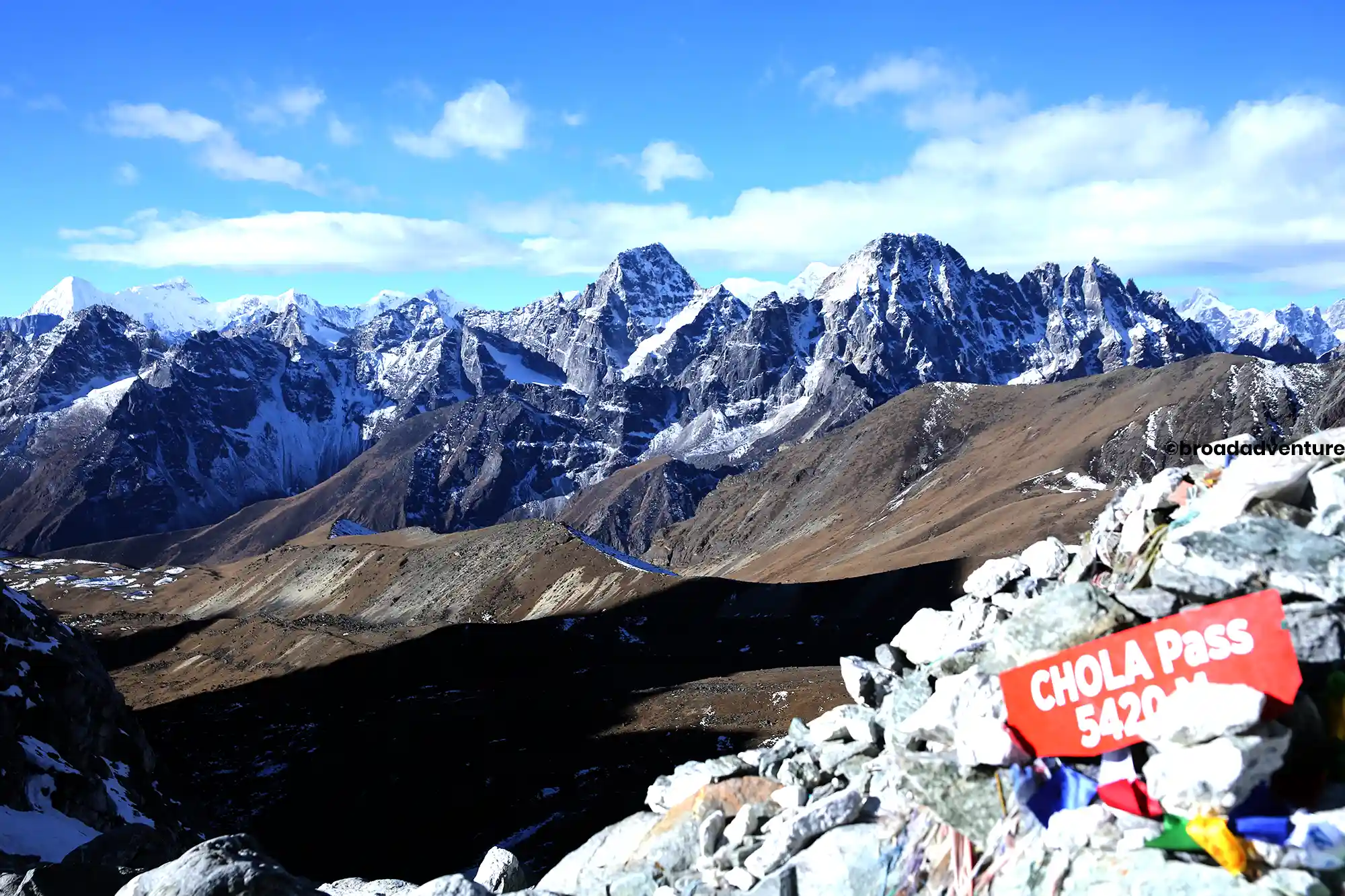
Nepal’s mountains are deeply respected, not just admired.
When trekking:
- Carry out your trash.
- Stay on marked trails.
- Avoid disturbing wildlife.
- Respect local customs in mountain villages.
- Hire local guides or porters when appropriate to support the local economy.
Bargaining
Negotiating prices is common in markets and souvenir shops.
Good practice:
- Bargain politely and with a smile.
- Expect fixed prices in supermarkets and many cafés.
- Remember that small price differences may matter more to local vendors than to visitors.

Cultural Do’s and Don’ts
✅ Do
- Say “Namaste” when greeting people.
- Remove shoes before entering homes and many temples.
- Dress modestly.
- Ask before taking photographs.
- Use your right hand for giving and receiving items.
- Respect elders and religious traditions.
- Be patient and courteous.
❌ Don’t
- Enter restricted religious areas.
- Litter, especially in trekking regions.
- Criticize local customs disrespectfully.

By approaching Nepal with curiosity, humility, and respect, you’ll likely find that locals are welcoming and eager to share their culture. Small gestures—like greeting people with a smile and a “Namaste”—often go a long way toward creating meaningful interactions.




Leave a Reply