
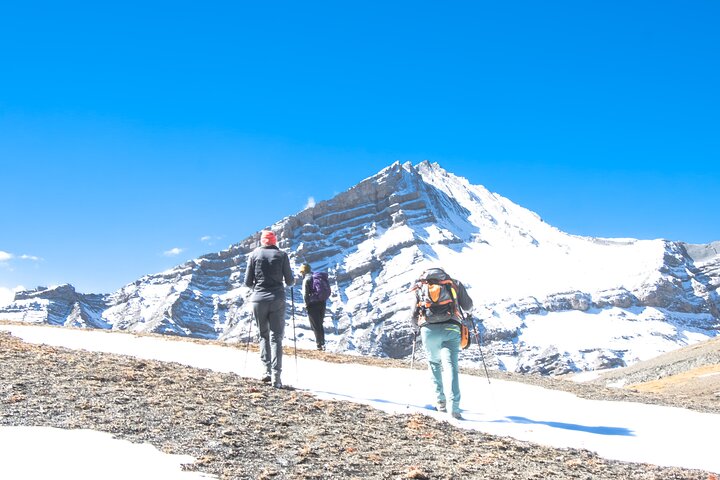
Nepal is one of the world’s premier trekking destinations, offering breathtaking mountain scenery, diverse landscapes, and rich cultural experiences. Home to eight of the fourteen highest peaks in the world, including Mount Everest, Nepal attracts thousands of trekkers every year. Whether you are a beginner or an experienced hiker, there is a trekking route suited to every skill level.

Best Time for Trekking
The best seasons for trekking in Nepal are spring (March to May) and autumn (September to November). During these months, the weather is generally stable, skies are clear, and mountain views are spectacular. Spring brings blooming rhododendron forests, while autumn offers comfortable temperatures and excellent visibility. Winter trekking is possible at lower elevations, while the monsoon season (June to August) brings heavy rainfall and slippery trails.

Popular Trekking Routes
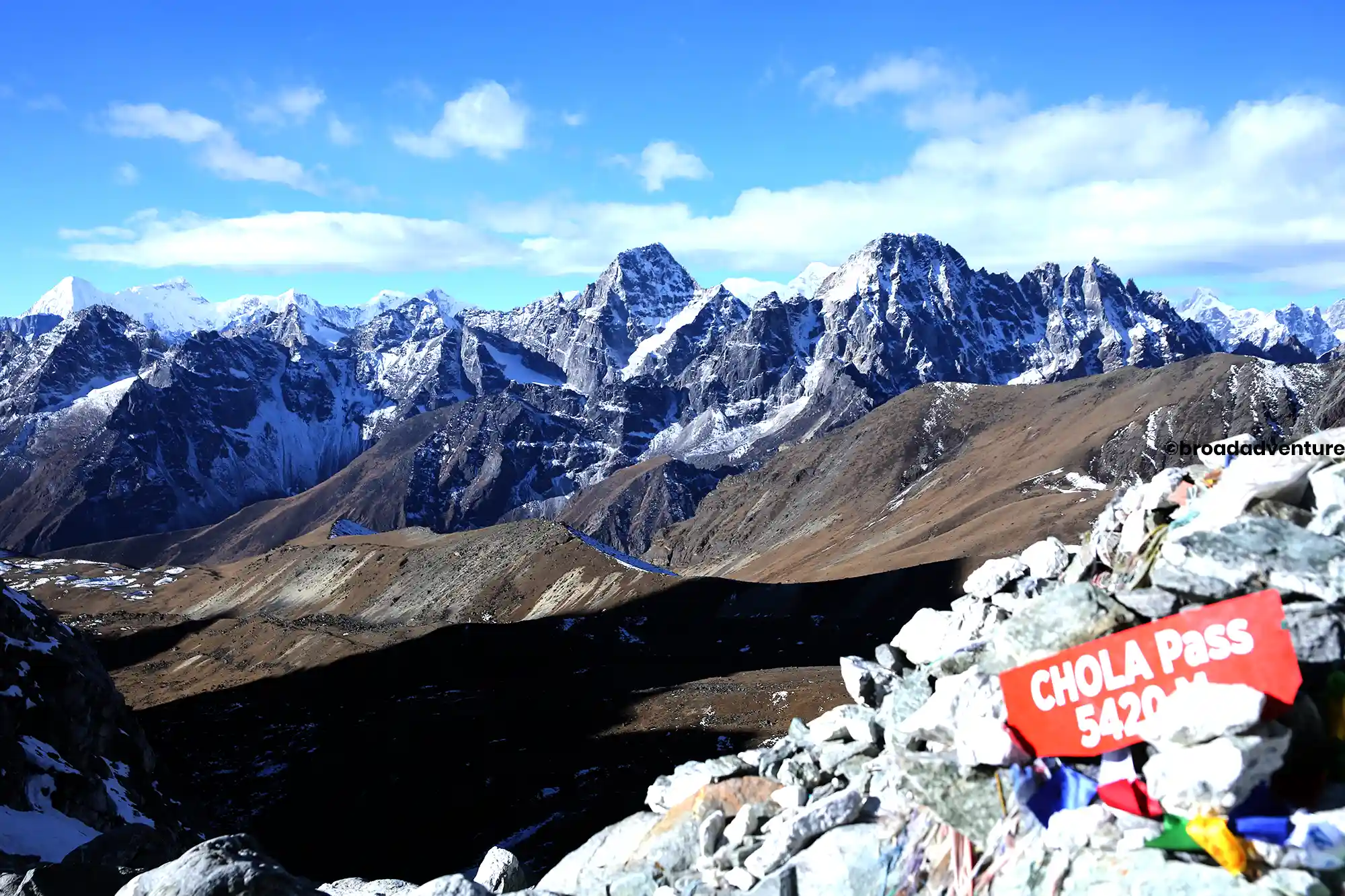
Nepal offers a wide variety of trekking routes. The trek to Everest Base Camp is the country’s most famous, providing stunning views of the Himalayas and an opportunity to experience Sherpa culture. The Annapurna Circuit is another world-renowned trail featuring diverse landscapes, mountain passes, and traditional villages. Beginners often choose the Ghorepani Poon Hill trek for its breathtaking sunrise views and relatively easy trails. Other excellent options include the Langtang Valley Trek, the Manaslu Circuit, and the Upper Mustang Trek.

Physical Preparation
Although many trekking routes are suitable for beginners, preparing your body before your trip is essential. Regular walking, hiking, jogging, cycling, and strength training can improve your endurance. Practice carrying a backpack on long walks to become comfortable with the weight you will carry during the trek.

Essential Trekking Gear
Packing the right equipment can make your trek safer and more comfortable. Essential items include sturdy hiking boots, warm layered clothing, a waterproof jacket, trekking poles, a sleeping bag suitable for cold temperatures, sunglasses, sunscreen, a hat, gloves, a reusable water bottle, and a basic first-aid kit. A headlamp and power bank are also useful for remote mountain lodges.

Permits and Safety
Most trekking regions in Nepal require permits. Depending on your destination, you may need a trekking permit and a conservation area or national park permit. Always check the latest permit requirements before your trip. Trekking with a licensed guide is highly recommended, especially on remote trails, as guides provide local knowledge, improve safety, and assist in emergencies.

Altitude Sickness
Altitude sickness is one of the biggest challenges when trekking in the Himalayas. Symptoms include headaches, dizziness, nausea, fatigue, and shortness of breath. To reduce the risk, ascend gradually, stay hydrated, avoid alcohol, and schedule acclimatization days. If symptoms become severe, descend immediately and seek medical assistance.

Respect Local Culture and Environment
Nepal’s trekking routes pass through villages rich in culture and tradition. Dress modestly, ask permission before photographing people, and respect local customs and religious sites. Help protect the environment by carrying reusable items, disposing of waste responsibly, and following the principle of leaving no trace.

Trekking in Nepal is more than just a hiking adventure—it is an opportunity to experience magnificent mountains, welcoming communities, and unforgettable cultural traditions. With proper planning, suitable equipment, and respect for nature and local culture, your trek can become one of the most rewarding travel experiences of your life. Whether you choose Everest Base Camp, the Annapurna region, or one of Nepal’s many hidden trails, the journey will leave you with memories that last a lifetime.




Leave a Reply