

Nepal is a year-round travel destination, offering unique experiences in every season. From the snow-capped peaks of the Himalayas to lush jungles and ancient cultural sites, each time of year brings its own charm. Choosing the best time to visit depends on your travel goals, whether it’s trekking, wildlife adventures, sightseeing, or experiencing Nepal’s colorful festivals. This seasonal travel guide will help you decide when to plan your trip.

Spring (March to May)
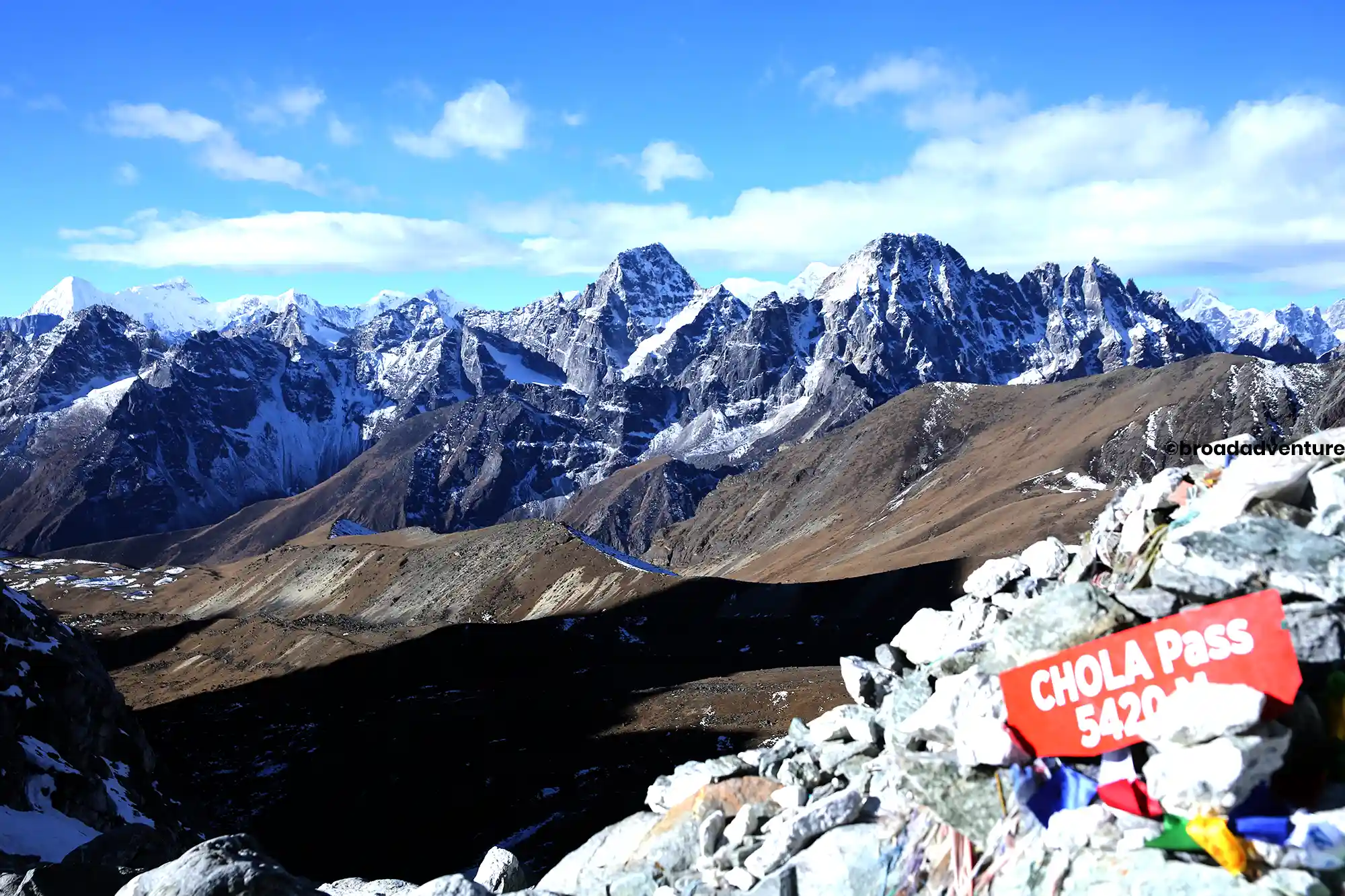
Spring is one of the most popular seasons to visit Nepal. The weather is warm and pleasant, making it ideal for trekking, sightseeing, and outdoor activities. Hillsides come alive with blooming rhododendrons, Nepal’s national flower, creating spectacular landscapes. Mountain views are generally clear, making this season perfect for treks to Everest Base Camp and the Annapurna Circuit. Adventure activities such as paragliding, rafting, and mountain biking are also at their best during spring.

Summer/Monsoon (June to August)
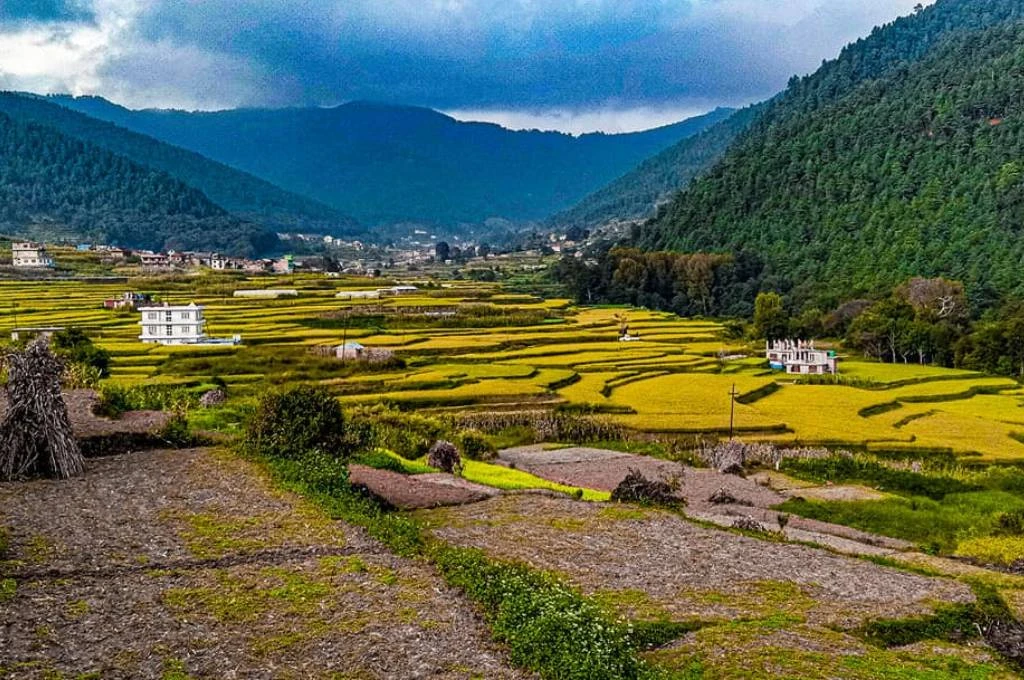
Summer in Nepal coincides with the monsoon season, bringing frequent rainfall, especially in the hills and lowlands. Although trekking becomes more challenging due to muddy trails and leeches, this season transforms the countryside into a lush green paradise. Waterfalls are at their most impressive, and agricultural fields are vibrant. Rain-shadow regions such as Upper Mustang and Dolpo remain excellent trekking destinations because they receive relatively little rainfall.

Autumn (September to November)
Autumn is widely regarded as the best time to visit Nepal. After the monsoon rains, the skies become crystal clear, offering breathtaking views of the Himalayan mountains. Temperatures are comfortable, making it the peak season for trekking, mountaineering, and sightseeing. Popular trails are lively with trekkers from around the world, while cities host major festivals such as Dashain and Tihar. This is an excellent time to experience Nepal’s rich culture alongside its natural beauty.

Winter (December to February)
Winter brings cool temperatures throughout Nepal, with snowfall in the higher mountain regions. While some high-altitude trekking routes may be difficult due to snow, lower-elevation treks remain accessible and less crowded. Cities like Kathmandu and Pokhara enjoy mild daytime weather, making them ideal for sightseeing. Winter is also a wonderful season for wildlife safaris in Chitwan National Park, where cooler temperatures make animal spotting more comfortable.

Choosing the Best Season for Your Trip
The ideal time to visit Nepal depends on your interests. Spring and autumn are perfect for trekking, mountain photography, and adventure sports. Summer is best for travelers seeking lush landscapes, fewer crowds, and visits to rain-shadow regions. Winter suits visitors who prefer peaceful sightseeing, cultural tours, and lower-altitude adventures without the peak-season crowds.

Travel Tips for Every Season
Regardless of when you visit, it’s important to pack according to the season. Layered clothing is recommended because temperatures can vary greatly between the lowlands and the mountains. Carry waterproof gear during the monsoon, warm clothing for winter, sunscreen for high-altitude trekking, and comfortable walking shoes for exploring Nepal’s historic towns and natural attractions. Booking accommodation and trekking permits in advance is advisable during the busy spring and autumn seasons.

Nepal offers unforgettable experiences throughout the year, with each season highlighting a different side of the country’s beauty. Whether you’re trekking beneath towering Himalayan peaks, exploring ancient temples in the Kathmandu Valley, enjoying wildlife safaris, or celebrating vibrant local festivals, there is always a perfect time to visit. By choosing the season that best matches your interests, you can enjoy an incredible journey through one of the world’s most diverse and captivating travel destinations.





Leave a Reply