
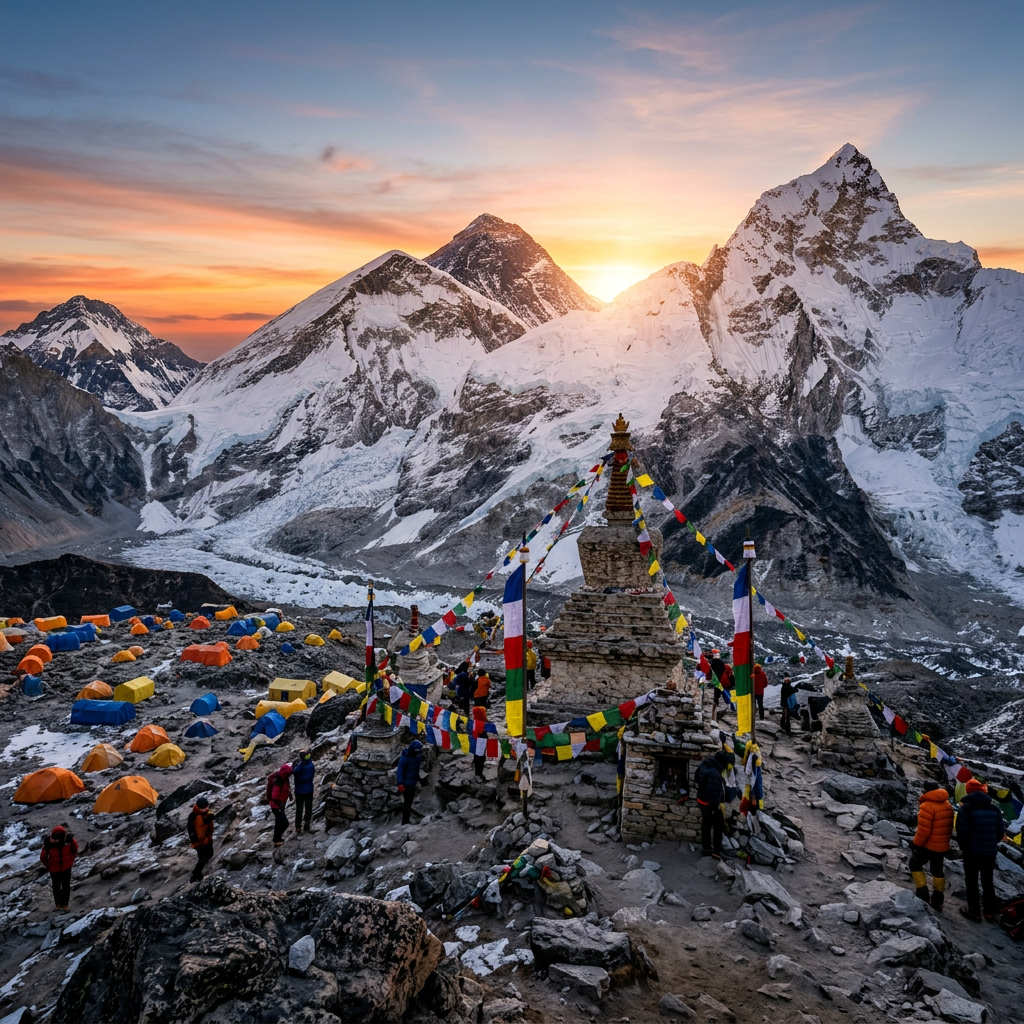
The Everest Base Camp (EBC) Trek is one of the world’s most iconic hiking adventures, attracting thousands of trekkers each year. Located in the heart of the Himalayas, the trail offers breathtaking mountain scenery, rich Sherpa culture, ancient monasteries, and the opportunity to stand at the base of Mount Everest, the tallest mountain on Earth. Whether you’re an experienced trekker or embarking on your first Himalayan adventure, careful planning will help make your journey safe, enjoyable, and unforgettable.
Why Trek to Everest Base Camp?
The Everest Base Camp Trek is more than just a hike—it’s a journey through one of the most spectacular mountain landscapes in the world. Along the way, you’ll pass through charming Sherpa villages, cross suspension bridges draped with colorful prayer flags, visit centuries-old Buddhist monasteries, and enjoy panoramic views of legendary peaks, including Everest, Lhotse, Nuptse, Ama Dablam, and Thamserku. The trek offers a unique combination of natural beauty, cultural immersion, and personal achievement.

Best Time to Visit
The best seasons for the Everest Base Camp Trek are spring (March to May) and autumn (September to November). Spring brings mild temperatures, blooming rhododendron forests, and clear mountain views, while autumn offers stable weather, crisp air, and excellent visibility after the monsoon season. Winter treks are possible but involve freezing temperatures and snow-covered trails, while the monsoon season is generally less suitable due to rain, clouds, and slippery paths.

Trek Duration and Route
A standard Everest Base Camp Trek usually takes 12 to 14 days, including essential acclimatization days. Most trekkers begin with a flight from Kathmandu to Tenzing–Hillary Airport in Lukla before following the trail through picturesque villages such as Phakding, Namche Bazaar, Tengboche, Dingboche, Lobuche, and Gorakshep before reaching Everest Base Camp. Many trekkers also hike to Kala Patthar for one of the finest panoramic views of Mount Everest.

Difficulty Level
The Everest Base Camp Trek is considered moderately challenging. While no technical climbing skills are required, trekkers should be prepared for long walking days, steep ascents, rocky trails, and high-altitude conditions. Daily hikes typically last between five and eight hours. Good physical fitness, regular exercise before the trip, and mental determination will greatly enhance your trekking experience.

Permits Required
Before beginning the trek, visitors must obtain the necessary permits. These generally include the Khumbu Pasang Lhamu Rural Municipality Permit and the Sagarmatha National Park Entry Permit. Trekking regulations may change over time, so it’s advisable to check the latest requirements or arrange permits through a licensed trekking agency.

Essential Packing List
Packing wisely is crucial for a successful trek. Essential items include sturdy waterproof hiking boots, moisture-wicking clothing, warm fleece layers, a down jacket, thermal base layers, gloves, a warm hat, sunglasses, sunscreen, trekking poles, a sleeping bag rated for cold temperatures, a reusable water bottle, water purification tablets, a headlamp, a power bank, snacks, and a basic first-aid kit. Since temperatures can change dramatically, dressing in layers is highly recommended.

Altitude Sickness and Safety
Altitude sickness is one of the most important considerations during the Everest Base Camp Trek. Symptoms include headaches, dizziness, nausea, fatigue, and shortness of breath. To minimize the risk, ascend gradually, stay hydrated, avoid alcohol, eat nutritious meals, and follow your acclimatization schedule. If symptoms worsen, descend immediately and seek medical assistance. Hiring an experienced guide can significantly improve safety and provide valuable local knowledge.

Accommodation and Food
Most trekkers stay in traditional tea houses along the route. These lodges offer simple but comfortable rooms, warm meals, and a welcoming atmosphere. Popular dishes include dal bhat (rice, lentils, and vegetables), noodles, soups, potatoes, and pasta. While facilities become more basic at higher elevations, tea houses provide an excellent opportunity to meet fellow trekkers from around the world.

Responsible Trekking
Protecting the fragile Himalayan environment is essential. Carry reusable water bottles, avoid single-use plastics whenever possible, dispose of waste responsibly, and respect local customs and religious sites. Supporting local businesses and following the principles of sustainable tourism help preserve the Everest region for future generations.

The Everest Base Camp Trek is a once-in-a-lifetime adventure that combines spectacular Himalayan scenery, rich cultural heritage, and a rewarding personal challenge. From the vibrant streets of Namche Bazaar to the unforgettable moment of reaching Everest Base Camp, mesmerizing flaura and fauna, every step of the journey offers lasting memories. With proper preparation, the right equipment, and a respect for the mountains and local communities, the Everest Base Camp Trek can become one of the most extraordinary travel experiences you’ll ever have.





Leave a Reply