
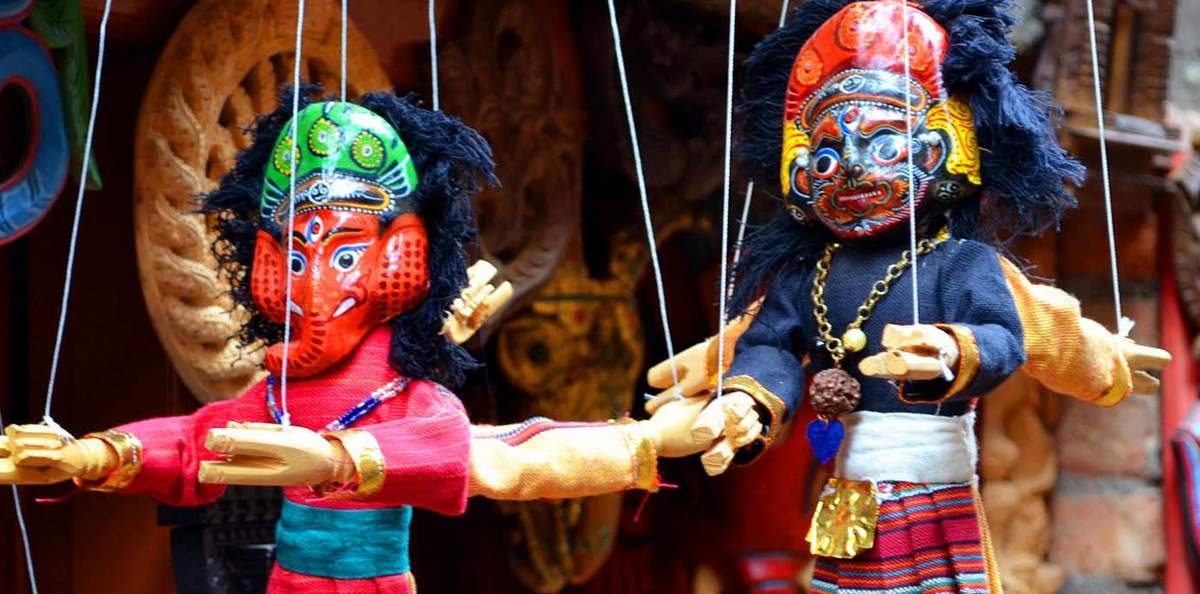

Just a short distance from the busy streets of Kathmandu lies a world where time seems to have paused for centuries. Bungamati and Khokana are two neighboring Newari villages that offer a rare glimpse into a way of life deeply rooted in tradition. In a rapidly modernizing world, preserving ancestral customs can be incredibly challenging, yet these villages continue to uphold their cultural identity with remarkable authenticity. For travelers, visiting these places feels less like a tour and more like stepping into a living heritage, where daily life still follows rhythms passed down through generations.

Bungamati, located across the Bagmati River near Chobar, is a peaceful settlement known for its strong cultural and religious significance. At the heart of the village stands the impressive Rato Machhindranath Temple, built in the traditional shikhara style. This temple is dedicated to the deity Rato Machhindranath, who is believed to have been born in Bungamati and is highly revered in the Kathmandu Valley. The narrow, pedestrian-only streets of the village are lined with traditional brick houses and intricately carved wooden windows, reflecting classic Newari architecture. Walking through these quiet lanes allows visitors to observe everyday life up close—from locals engaged in wood carving and farming to children playing in open courtyards. The absence of large tourist crowds adds to the charm, making the experience feel intimate and unspoiled.

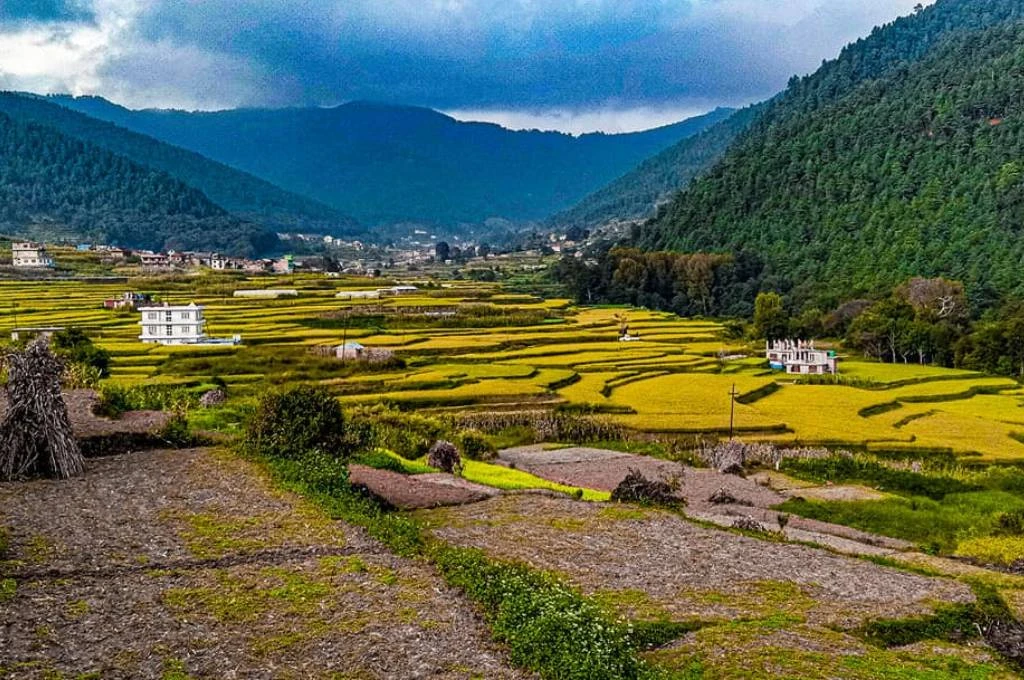
Just a short walk away lies Khokana, another traditional village that complements Bungamati with its own unique character. Khokana is particularly famous for its age-old method of producing mustard oil, a process that has remained unchanged for generations. Visitors can witness how seeds are harvested, processed, and pressed using traditional techniques, offering a fascinating insight into rural industry and sustainability. The surrounding fields, lush and green, create a picturesque setting that reflects the agricultural backbone of the community.

Khokana is also home to a striking three-storied temple that stands as a central landmark of the village. Like Bungamati, the architecture here is deeply rooted in Newari craftsmanship, with beautifully detailed woodwork and traditional structures that have withstood the test of time. The village layout, communal spaces, and daily routines all reflect a strong sense of community and cultural continuity.

What makes Bungamati and Khokana truly special is not just their historical and architectural value, but the living culture they represent. These villages are ideal for travelers interested in arts, traditions, and authentic local lifestyles. There are no strict restrictions for visitors, allowing you to explore freely and peacefully while respecting the local way of life. Whether you are observing artisans at work, interacting with residents, or simply soaking in the tranquil atmosphere, the experience is both enriching and grounding.

Overall, a visit to Bungamati and Khokana is a journey into Nepal’s cultural roots. It offers a quiet yet profound contrast to the modern world, reminding visitors of the beauty of simplicity, tradition, and community living.
Days: 1 day
Average Walk: 2-3 hours around the square
Visit Difficulty: Easy
Pricing: Cheap
Best Season: Any time of the year





Leave a Reply